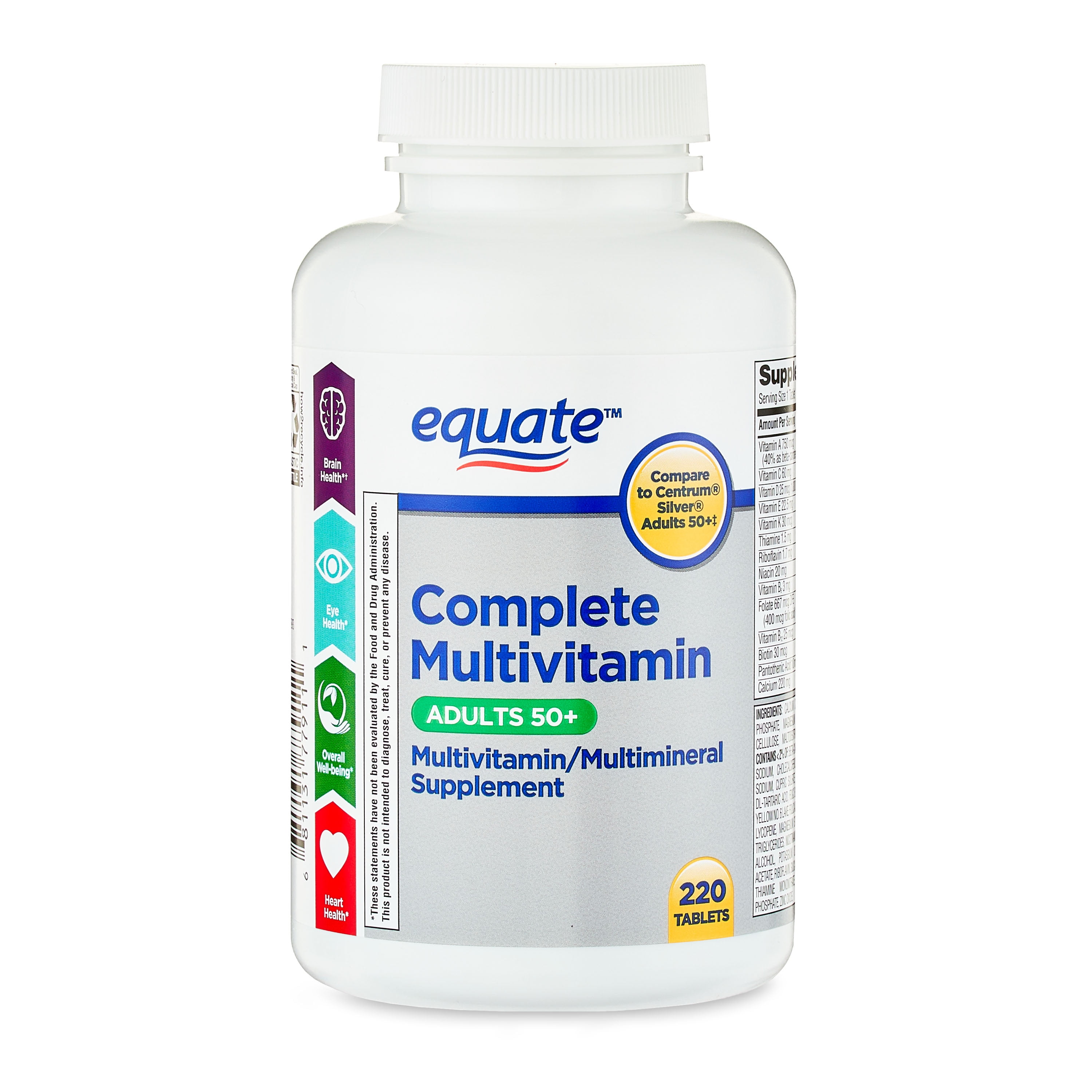
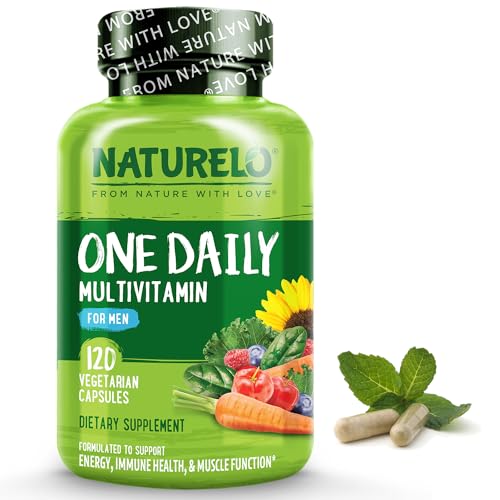
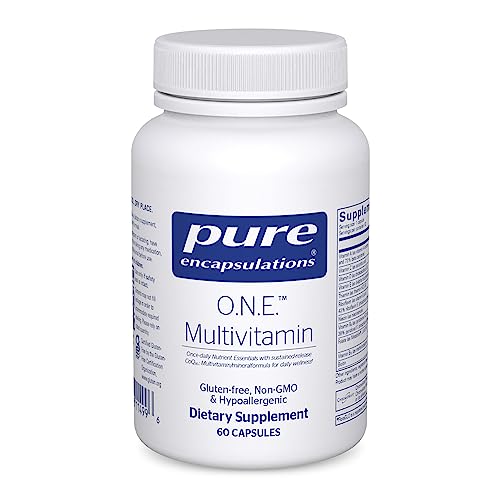
Vitamins play a crucial role in maintaining our overall health and well-being. Each vitamin has unique benefits that contribute to various bodily functions, making it essential to include a variety of them in your daily diet. Understanding which vitamins are vital for your daily wellness can help you make informed choices about your nutrition.
Vitamin C is one of the most well-known vitamins, famous for its immune-boosting properties. It acts as a powerful antioxidant, helping to protect your body from harmful free radicals. This vitamin is also essential for collagen production, which is vital for healthy skin, joints, and wound healing. Foods rich in Vitamin C include citrus fruits, strawberries, bell peppers, and broccoli.
Another important vitamin is Vitamin D, often referred to as the "sunshine vitamin" because your body can produce it when exposed to sunlight. Vitamin D is crucial for bone health, as it helps your body absorb calcium. It also plays a role in immune function. You can find Vitamin D in fatty fish, fortified dairy products, and egg yolks, but don't forget to get some sunlight for a natural boost!
Vitamin B12 is essential for energy production and maintaining healthy nerve cells. It helps in the formation of red blood cells, reducing fatigue and promoting overall vitality. People who follow a vegan or vegetarian diet might need to pay special attention to this vitamin since it is primarily found in animal products. Foods like fish, meat, dairy, and fortified cereals are good sources of Vitamin B12.
Lastly, Vitamin A is important for maintaining healthy vision and supporting the immune system. It helps in cell growth and reproduction, making it essential for maintaining healthy skin and mucous membranes. You can find Vitamin A in foods such as carrots, sweet potatoes, spinach, and eggs. Incorporating these vitamins into your daily routine can pave the way for a healthier lifestyle!
Boost Your Immune System Naturally
Boosting your immune system naturally is essential for maintaining good health. A strong immune system helps your body fend off illnesses and infections. One of the easiest ways to enhance your immunity is by consuming a diet rich in vitamins and minerals. Incorporating foods high in these nutrients can lead to a robust immune response, allowing your body to thrive.
Vitamin C is one of the star players when it comes to immune support. It can be found in citrus fruits like oranges and grapefruits, as well as in bell peppers and broccoli. This powerful antioxidant protects your cells and enhances the production of white blood cells, which are crucial for fighting off infections. Making sure to include vitamin C-rich foods in your daily meals is a simple yet effective way to support your immune system.
Another powerhouse vitamin is vitamin D. It plays a vital role in activating your immune defenses. Sunlight is the best source of vitamin D, so spending time outdoors can significantly boost your levels. However, you can also find it in foods like fatty fish, egg yolks, and fortified dairy products. A deficiency in vitamin D can lead to an increased risk of infections, making it even more important to ensure you get enough of this vitamin.
Don’t overlook the importance of zinc, a mineral critical for a well-functioning immune system. Zinc can be found in foods such as nuts, seeds, and whole grains. It helps in the development and function of immune cells, ensuring your body can effectively respond to threats. Incorporating a variety of zinc-rich foods into your diet can be a great way to naturally enhance your immune defenses.
Vitamins That Support Heart Health
When it comes to maintaining a healthy heart, vitamins play a crucial role in supporting cardiovascular function. Some essential vitamins help keep your heart strong and functioning efficiently. Incorporating these vitamins into your diet can be a simple yet effective way to promote overall heart health.
Vitamin B6, B12, and Folate: The B vitamins are known for their role in reducing homocysteine levels in the blood, which is vital since high levels of homocysteine can increase the risk of heart disease. Foods rich in B vitamins include leafy greens, beans, fortified cereals, and animal products like fish and meat. Ensuring you get enough of these vitamins can help protect your heart.
Vitamin D: This essential vitamin helps regulate calcium levels in the body, which is crucial for heart health. Some studies suggest that vitamin D deficiency may be linked to an increased risk of heart disease. You can get vitamin D from sunlight exposure, fatty fish, fortified dairy products, and supplements if necessary. Maintaining adequate levels of vitamin D is vital for your heart and overall health.
Vitamin E: As a powerful antioxidant, vitamin E helps protect the body from oxidative stress, which can damage blood vessels and lead to heart disease. It can also help improve blood circulation. Almonds, sunflower seeds, and avocados are excellent sources of vitamin E. Including these foods in your diet can give your heart an added layer of protection.
Key Nutrients for Strong Bones
Strong bones are essential for overall health and mobility. To keep your bones robust, it is important to focus on key nutrients that play a significant role in bone strength. Here are some vital vitamins and minerals that can support your skeletal health.
Calcium is the cornerstone of bone health. It is the primary mineral found in bones and is crucial for maintaining their density and strength. Adults should aim for around 1,000 mg of calcium each day, which can be found in dairy products like milk, cheese, and yogurt, as well as leafy green vegetables, nuts, and fortified foods.
Another important nutrient is Vitamin D, which helps your body absorb calcium efficiently. Without sufficient Vitamin D, your bones may become fragile and more susceptible to fractures. The best natural source of Vitamin D is sunlight, but you can also find it in fatty fish, egg yolks, and fortified dairy products. Aim for 600 to 800 IU of Vitamin D daily to support healthy bones.
Magnesium plays a vital supportive role in bone health as well. It helps to convert vitamin D into its active form, which in turn aids in calcium absorption. Foods rich in magnesium include nuts, seeds, whole grains, and green leafy vegetables. Adults should aim for about 310 to 420 mg of magnesium each day to help keep their bones strong.
Lastly, Vitamin K is crucial for bone metabolism. It helps to regulate calcium in the bones and the bloodstream, preventing bone loss. Foods high in vitamin K include green leafy vegetables like kale, spinach, and broccoli, as well as fermented foods. Make sure to include a variety of these foods in your diet to promote better bone health.